

First Year at Sainik School Hostel: What New Students Experience

Nair ji called me in October. His son had been at Sainik School Kazhakootam for 3 months.
"Sharma ji, I'm getting these Sunday calls. Some weeks he sounds okay. Some weeks he sounds lost. I don't always know what's normal and what's a concern. Can you tell me what a first year at Sainik School hostel is actually like — what the child goes through, what's normal to expect, and what should genuinely worry me?"
Most information about Sainik School describes the institution positively. Almost nothing describes the first year from the child's experience — the specific challenges, the emotional arc, what passes and what doesn't.
Here's the honest, complete picture of what new students experience in their first year at Sainik School hostel.
The First Two Weeks: Disorientation
The first two weeks are the hardest for most students. Almost universally.
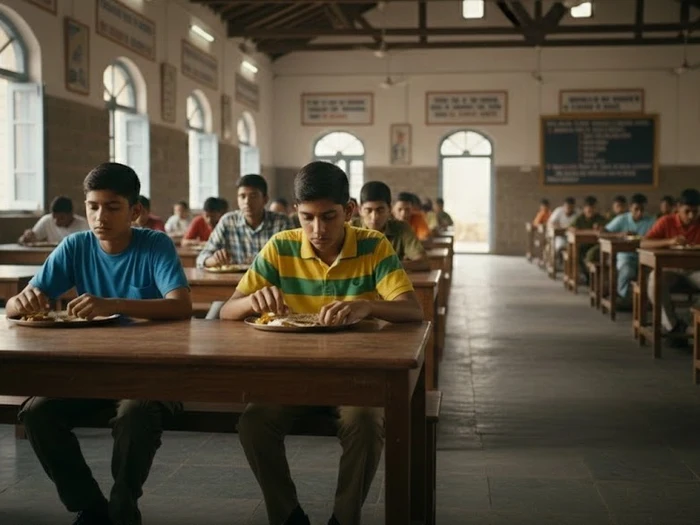
Everything is new simultaneously. The dormitory smell. The bugle sounds that mark the day. The mess food that's different from home food. The faces — 30-50 children in a dormitory, none of them known. The authority figures — Housemaster, senior cadets, teachers — all unfamiliar and often strict.
The student who was known and liked and good at things at home school is anonymous here. They're a new joiner. The lowest in the house hierarchy. Senior students test them — sometimes warmly, sometimes with the edge that exists in any residential school hierarchy.
Common first two-week experiences:
Difficulty sleeping the first few nights. Dormitory sounds are unfamiliar — other children, bugle calls, different ambient noise. Most students adapt by end of Week 2.
Food resistance. Mess food is nutritionally adequate but different from home cooking. Many students barely eat in Week 1. Hunger eventually wins — most students are eating normally by Week 3.
PT shock. The physical demand of morning PT at 5:30 AM is genuinely hard for children who weren't physically active before joining. Sore muscles, fatigue, and unfamiliarity with the PT structure marks the first 2-3 weeks.
Homesickness — intense and specific. Missing not "home" in general but specific things: mother's specific food, own bedroom, familiar neighbourhood, school friends. These specifics are what Sunday calls are full of in the first month.
The First Month: Physical Adjustment Completes
Something shifts physically around Week 3-4. The body adapts.
Sleep normalises — the dormitory sounds become familiar background, not disturbances. Food becomes acceptable — not loved, but eaten. PT becomes routine — the body has adapted to the morning physical demand.
This physical adjustment is the first significant milestone. When the body stops fighting the environment, the mind has more space to engage with it.
What happens in the dormitory in the first month:
Initial acquaintances form. Not yet deep friendships — but familiar faces, names known, patterns of interaction developing.
Small alliances appear — typically students from the same state, speaking the same language, who find comfort in familiarity. These initial state-based groupings gradually expand as the first term progresses.
The senior cadet hierarchy reveals itself. Some seniors are encouraging. Some are demanding. The new joiner learns quickly who the friendly seniors are and begins navigating the house social structure.
Months 2-3: First Social Roots
By Month 2-3, something more significant shifts. The student begins forming genuine connections.
One or two specific friendships emerge — typically someone from the same dormitory space, or someone who shares a position in PT, or someone they eat meals next to regularly. These are the seeds of what often become lifelong friendships.
The house begins feeling like a unit rather than a collection of strangers. Inter-house competition creates the first taste of collective identity — "we're Blue House" or "we're in Shivaji House." The sense of belonging to something specific is emotionally significant.
Academic performance begins revealing itself. The first internal assessment or class test shows where the student stands academically relative to peers in this environment. For students who were class toppers in regular school — sometimes a surprise that the competition is stiffer. For students who were average — sometimes a pleasant discovery that they perform well in this environment.
The Sunday call in Month 2-3:
A noticeable shift in call tone for most students. Still mentions of missing home — but alongside the homesickness, specific stories emerge. A friend's name. An incident in PT. A cricket match won. An interesting teacher.
This is the signal parents wait for. When the call has content beyond "I miss home" — the adjustment is working.
Month 4-6: Settling In
By Month 4, most students are genuinely settled. Not permanently transformed — but functioning members of their house community.
Friendships are real. The friend from Bihar, the friend from Tamil Nadu, the friend from Rajasthan — these are not just dormitory acquaintances. They're people the student has eaten hundreds of meals with, done PT alongside, competed with in inter-house events.
The daily routine is now internal rather than externally imposed. The student doesn't experience the schedule as a set of commands — they experience it as how the day goes. This is one of the most significant developmental shifts of the first year.
Physical fitness is noticeably better than at admission. Six months of daily PT produces measurable improvements in endurance, strength, and coordination. Students who arrived physically weak are still not PT stars — but they're genuinely fitter than they arrived.
Academic patterns are established. Study hours, homework habits, test preparation approaches — these are now patterned rather than improvised.
The Challenges That Don't Resolve Easily
Not everything about the first year is positive progress. Some challenges are genuinely difficult and worth being honest about.
The hierarchy and its pressures:
Sainik School senior-junior hierarchy is formal and significant. New joiners are at the bottom. Senior cadets have authority over juniors in specific contexts — house duties, PT organisation, certain activities.
In well-functioning houses with good Housemaster oversight — this hierarchy builds character. Juniors learn to follow direction, complete responsibilities, and respect authority. Later they become the seniors and learn to lead.
In poorly managed houses or with individual problematic seniors — this hierarchy can be experienced as unfair pressure. Most Sainik Schools have improved significantly in preventing genuine bullying, but the hierarchy itself remains demanding.
A student who is genuinely struggling with specific individual interactions — not just general adjustment difficulty but specific problematic relationships — should communicate this to parents on Sunday calls and parents should follow up with the Housemaster specifically.
Academic pressure:
Sainik Schools are academically demanding. The peer environment is competitive. Students who were stars in regular school discover that the competition is different here.
Class 6-7 is typically where this discovery happens — and for some students, the adjustment from "I was always first in class" to "I'm struggling to keep up with the top students here" is genuinely hard.
Good academic habits — regular homework completion, asking teachers questions, study hall utilisation — are what determine how students navigate this. Students who struggle but apply consistent effort recover. Students who become passive in the face of competitive difficulty fall further behind.
Missing major family events:
Funerals, weddings, family emergencies — the school has provisions for compassionate leave in genuine circumstances. But day-to-day family moments pass without the student. A younger sibling's first day at school. Grandparent visits. Family trips.
This missing is real. Most students process it through acceptance — "this is the trade-off I made." Some find it acutely painful throughout the first year.
What the First Year Builds
Despite the challenges — and because of them — the first year builds something specific.
The student who finishes their first year at Sainik School hostel has:
Spent a year functioning independently without parental daily support. Managed their own belongings, schedule, and challenges.
Built genuine friendships across geographic and socioeconomic lines that couldn't have formed any other way.
Developed a relationship with physical activity that wasn't there before.
Learned to operate within institutional hierarchy — both following and beginning to lead.
Experienced and survived significant emotional difficulty — and discovered they're more resilient than they knew.
At the end of Year 1, when the student comes home for summer vacation — Rao ji's observation from our earlier conversation applies broadly. They wake earlier. They make their beds. They manage their own things. They help without being asked.
First year is the hardest. It's also the most foundational.
For Sainik School coaching and support for families navigating every stage of the Sainik School journey — from AISSEE preparation through the first year and beyond — we're here throughout.
Month-by-Month Summary
| Period | What's Happening | Typical Sunday Call Tone |
|---|---|---|
| Weeks 1-2 | Complete disorientation — food, sleep, PT, social | Distressed, homesick, tearful |
| Weeks 3-4 | Physical adjustment beginning | Still emotional but some specific stories emerging |
| Month 2 | First social connections forming | Homesick + beginning to mention specific friends |
| Month 3 | House belonging developing | More balance between missing home and school stories |
| Month 4 | Genuinely settling — routine is internal | More school content than homesick content |
| Months 5-6 | Functionally settled member of house | School life normal; home is looked forward to, not escaped to |
What Should Actually Concern Parents
Most first-year difficulty is normal and resolves. But some signs warrant specific follow-up with the Housemaster:
Child reports specific, named problematic interactions with specific seniors — not general hierarchy difficulty but specific incidents involving particular people.
No improvement in call tone across 3 months. Sustained, deepening distress beyond the typical 4-8 week adjustment window without any positive shift.
Child mentions physical health concerns being ignored or inadequately addressed by school medical facility.
Child expresses complete inability to function — sleeping, eating, and academic performance all simultaneously deteriorating after Month 2.
For general adjustment difficulty in the first 6-8 weeks — trust the process. For sustained specific concerns — contact the Housemaster directly.
Need guidance on supporting your child through the first year of Sainik School hostel life? Contact us for honest, practical parent support throughout the journey.
Want more honest guides on Sainik School hostel life, adjustment, and what families experience? Read our blog for complete guides on every stage of the experience.