
All About Indian Navy Careers: Questions Answered for Aspirants
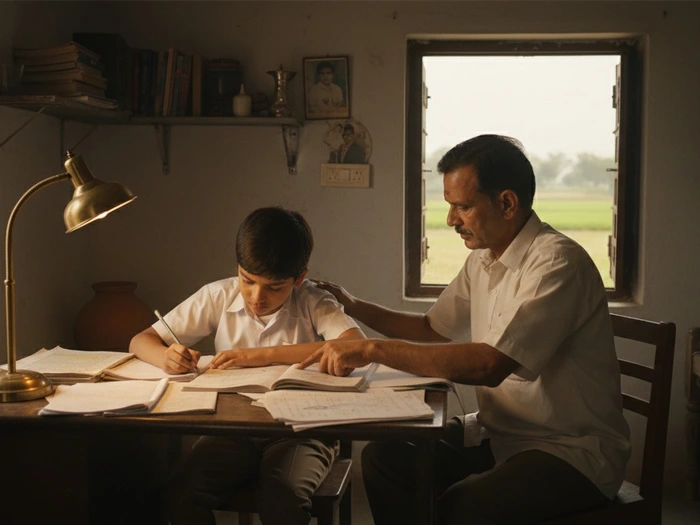
Krishnan ji called me in August. His son was in Class 10 at Sainik School Kazhakootam. He had a specific question.
"Sharma ji, my son has decided — Navy, not Army. He wants to be a naval officer. I know how Army works from all our AISSEE conversations. But Navy is different. What are the specific pathways? What does a naval career actually look like? What should he be doing now to make this happen?"
This conversation comes up often — parents and students who know they want the Navy specifically but have less information about naval career pathways compared to Army. Army NDA is more widely discussed. Navy has its own specific pathways, culture, and requirements.
Here's the complete guide.
Indian Navy Overview — What It Is
The Indian Navy is one of the world's largest naval forces. Approximately 67,000 personnel. Operates across surface ships, submarines, and naval aviation (aircraft and helicopters). Headquartered in New Delhi with three Commands — Western (Mumbai), Eastern (Visakhapatnam), Southern (Kochi).
A naval officer career involves ship postings, shore postings, and aviation postings (for those who qualify for naval aviation). It combines technical knowledge, leadership, physical fitness, and operational decision-making in maritime environments.
Primary Entry Routes to Naval Officer Career
Route 1: NDA (National Defence Academy) — Naval Wing
The most prestigious entry. Class 12 students appear for NDA written exam (UPSC). Candidates selecting Naval wing proceed to NDA Pune for 3 years of tri-service training, then to the Indian Naval Academy (INA) at Ezhimala, Kerala for 1 year of naval-specific training.
After INA: Commissioned as Sub-Lieutenant in the Indian Navy.
Why it's the preferred route: Longest training, deepest foundation, the classic commissioned officer entry. Sainik School students targeting Navy through NDA are on the most direct and complete pathway.
Route 2: B.Tech Entry (via JEE)
After Class 12 with PCM. Eligible for B.Tech at INA Ezhimala through a specific naval entry for engineering. This route produces technical officers with engineering qualifications alongside naval commission.
Route 3: 10+2 Cadet Entry Scheme
Class 12 pass with PCM. Direct entry to INA Ezhimala without going through NDA. Written exam, SSB, medical. 4-year B.Tech programme at INA leading to commissioning as Sub-Lieutenant.
This route is specifically worth knowing for students who miss NDA or prefer to attempt direct INA entry.
Route 4: University Entry Scheme (UES)
For engineering graduates in final year. Short-listing based on academics, then SSB. Technical branch and executive branch entries available.
Route 5: CDS (Combined Defence Services) — Naval Academy Entry
After graduation (any degree). UPSC CDS exam. Naval Academy entry through CDS. SSB assessment. Training at INA.
The Three Branches of Naval Officer Career
Understanding what type of naval officer your son wants to be is the first planning step.
Executive Branch:
Generalist naval officers. Ship command pathway. Operations, navigation, gunnery, communications. Also includes naval aviation (pilots and observers) and submarine service (for those who qualify and volunteer).
The ship command pathway — becoming Captain of a naval vessel — is the classic naval career ambition and is within the Executive Branch.
Technical Branch:
Engineering officers. Marine engineering (ship machinery and propulsion), electrical engineering (weapons and ship systems). On board and shore-based technical roles throughout career.
For students with strong engineering inclination alongside naval aspiration — Technical Branch combines both.
Education Branch:
Naval education officers. Teaching at naval training establishments. Academic and scientific roles. Smaller branch, specific career path.
Naval Aviation — The Specific Pathway Many Students Want
Naval aviation attracts significant interest — flying helicopters or fixed-wing aircraft in a naval context is a specific aspiration for many students.
Naval aviation officers are commissioned through NDA (Naval Wing) or other executive branch entries. After initial commissioning, eligible officers may apply for flying training.
Selection for flying training: medical standards are stricter for aviation (vision requirements are more stringent). Aptitude testing. Officers who qualify proceed to flying training at Air Force stations before returning to naval aviation units.
Naval aviation operates: Sea King and Chetak helicopters (anti-submarine and search-and-rescue), P-8I maritime patrol aircraft, MiG-29K carrier-based fighters (for aircraft carrier operations), Dornier maritime reconnaissance aircraft.
An officer who wants to fly from aircraft carriers — specifically — needs to enter through Executive Branch, progress to flying training selection, qualify on fighter aircraft training. This is a competitive pathway within the naval career that requires sustained performance over several years post-commissioning.
Submarine Service
Submarines are a specific posting within the Executive Branch, not a separate branch.
After initial commissioning and sea time, executive officers can volunteer for submarine service. Submarine selection involves additional testing (psychological, medical for submariner fitness) and specialised training.
Submarine service is considered prestigious within the Navy. Officers who qualify for submarine duties receive additional pay and allowances.
Indian Navy operates Kilo-class submarines (INS Sindhughosh class), Scorpène-class submarines (INS Kalvari class), and has nuclear ballistic missile submarines under strategic forces.
What Sainik School Specifically Prepares For in the Navy Context
Sainik School students entering the Navy carry specific advantages:
Physical fitness: Daily PT for 7 years builds the baseline that naval physical demands require. Naval training at INA includes demanding physical components. Sainik School students typically arrive better physically prepared.
SSB readiness: SSB for naval candidates is the same 5-day assessment as Army candidates. The group dynamics, individual interview, psychological tests — all assessed identically. Sainik School's 7 years of group activities, communication development, and formal authority experience directly translates.
Sea awareness: Students from coastal Sainik Schools (Kazhakootam in Kerala, Korukonda in Andhra Pradesh) sometimes have additional maritime exposure. For inland school students — specific reading about maritime operations, naval history, and current naval developments during Class 11-12 is worth doing specifically.
NDA written exam: The GAT section includes Science (Physics particularly relevant for naval technical concepts), which Sainik School's CBSE curriculum covers directly.
The Vision Standards Question — Most Asked by Naval Aspirants
Vision standards are among the most common questions from students targeting Navy.
For Executive Branch (General Service):
Uncorrected (without glasses): 6/12 minimum in each eye. Correctable to 6/6.
For aviation selection: stricter. Uncorrected 6/6 in each eye. No spectacles or contact lenses permitted for aviation.
For Technical Branch:
Somewhat relaxed compared to Executive. Higher correction permitted.
What this means practically:
A student whose myopia is progressing during Class 9-12 due to heavy screen time and inadequate physical activity may cross into naval aviation disqualification territory without knowing it.
Check vision specifically during preparation years. Outdoor physical activity (the reason Sainik School's daily PT matters medically) has documented positive effects on myopia progression in adolescents. Students who maintain daily outdoor activity have slower myopia progression on average than those who don't.
For students who definitely want naval aviation: check uncorrected vision NOW. If it's already beyond 6/6 — manage carefully during remaining school years and consult with an ophthalmologist specifically about myopia progression management.
Year-by-Year Preparation Plan for Sainik School Students Targeting Navy
Class 9-10 (Kazhakootam currently):
Build maritime awareness. Read about Indian Navy — its ships, operations, history. Track naval news: new ship inductions, exercises, achievements. The Indian Navy website (indiannavy.nic.in) has substantial educational content.
Physical: maintain and build fitness specifically relevant to naval selection — swimming if possible (Navy puts premium on swimming ability), running, strength.
Academics: strong focus on Physics and Maths — foundational for both NDA GAT and eventual naval technical knowledge regardless of branch.
Class 11-12:
NDA preparation alongside boards — same as any Sainik School student targeting NDA.
Navy-specific additions: maritime geography (coastlines, straits, naval bases locations), naval history (major operations, battles, significant Indian Navy milestones), current naval developments (ship inductions, exercises, policy).
Swimming: If there's a pool facility at school or during vacations — swim consistently. Naval SSB doesn't specifically test swimming. Naval Academy does. And submarine service has mandatory swimming qualifications.
SSB preparation specific to Navy interview: Why Navy specifically? What interests you about maritime operations? What does India's strategic maritime interest mean to you? The interview panel for Navy candidates at SSB will probe naval-specific motivation more specifically than general military aspiration.
What Krishnan Ji's Son Is Doing
He decided: Naval aviation. Carrier-based operations is the specific aspiration.
He checked his vision: 6/6 uncorrected in both eyes. Currently fine.
He's tracking naval aviation news specifically — MiG-29K carrier operations from INS Vikrant, the recently inducted aircraft carrier. He can speak specifically about what carrier operations involve.
He runs daily. Swims twice a week during school PT periods.
His answer to "why Navy" in mock SSB sessions: specific, maritime-focused, connected to India's strategic interests in Indian Ocean. Not generic "I want to serve the country" — specific to the sea service.
NDA is the target. Naval wing. Path: NDA → INA → commissioning → flying training selection → naval aviation.
The Sainik School background gives him the foundational preparation. The Navy-specific knowledge and preparation is being added on top of that foundation.
For Sainik School entrance coaching and guidance on the complete defence career pathway — whether Army, Navy, or Air Force — we help students and families understand the full journey from AISSEE to commissioning.
Bottom Line
Indian Navy officer entry primary routes: NDA Naval Wing (most prestigious, direct pathway), 10+2 Cadet Entry, UES for engineers, CDS Naval Academy after graduation.
Three branches: Executive (ship command, naval aviation, submarines), Technical (engineering), Education.
Naval aviation: Executive Branch → flying training selection post-commissioning. Vision standard: 6/6 uncorrected for aviation. Check now.
Submarine service: volunteer-based within Executive Branch after initial sea time.
Sainik School specific advantages: physical fitness, SSB readiness, academic foundation for NDA — all directly applicable to Navy pathway.
Navy-specific preparation additions: maritime geography, naval history, current naval developments, swimming, specific "why Navy" SSB narrative.
Vision matters specifically for naval aviation — manage screen time and maintain outdoor activity throughout school years.
Need guidance on AISSEE preparation and the complete Navy career pathway planning? Contact us for complete, specific naval career guidance.
Want more information about NDA, naval careers, and the complete defence pathway? Read our blog for complete guides on every aspect of the defence career journey.